 sales@nobeltradingltd.com
Choosing an SUV in Kenya is rarely about horsepower or badge prestige. It is, in truth, a question of resilience: which vehicle will withstand our roads, retain its value, and remain affordable to maintain for years to come. At Nobel Trading Co Ltd, we have spent years sourcing and inspecting vehicles for Kenyan buyers, and seven names consistently rise above the rest — the Toyota RAV4, Toyota Harrier, Nissan X-Trail, Honda Vezel, Toyota Raize, Mazda CX-5 (Diesel), BMW X1, and Subaru Forester. Each of these models is currently available in our stock, thoroughly inspected and ready for the road.
This guide sets out, in plain and honest terms, what distinguishes these vehicles, where each one excels, and where a prospective buyer should exercise caution.
Why Kenyan Roads Demand an SUV
Kenya’s road network is a study in contrasts. A smooth Nairobi expressway can give way, within a few kilometres, to a rutted murram track or a flooded causeway during the long rains. Saloon cars, with their lower ride height, are simply not built for this variability.
An SUV offers three practical advantages that matter far more here than in most markets:
- Elevated ground clearance, which spares the undercarriage from potholes, speed bumps, and rough rural tracks.
- Superior visibility, a genuine safety benefit in the congestion of Nairobi, Mombasa, or Kisumu.
- Greater carrying capacity, accommodating both a weekly school run and a long journey upcountry with equal ease.
There is also a shift in buyer psychology worth noting. With fuel prices remaining elevated through 2026, Kenyan buyers increasingly ask not “how fast,” but “how far on a litre.” This single question has reshaped demand, pushing hybrid and diesel SUVs from a niche curiosity into the mainstream, and encouraging a growing number of buyers to look beyond the usual Toyota and Nissan options toward premium alternatives such as the Mazda CX-5, BMW X1, and Subaru Forester.
Due Diligence Before You Buy
A handsome SUV can conceal a troubled history. Before committing to any purchase, a careful buyer should verify the following:
- Documented service history. Verifiable records outweigh a seller’s assurances every time.
- Mileage integrity. A low odometer reading is meaningless unless it can be corroborated.
- Evidence of prior accident repair. Inconsistent panel gaps or mismatched paint are the telltale signs of undisclosed collision damage.
- Hybrid battery condition, where applicable. A degraded battery pack is an expensive inheritance.
- A thorough test drive, paying particular attention to the CVT or automatic gearbox common across this segment, which should shift without hesitation or unusual noise.
- Parts availability, especially for the more specialised European entrant on this list — a BMW’s mechanical parts are widely stocked, but its body panels and electronics are considerably scarcer than those of its Japanese rivals.
Kenya’s eight-year import age limit, enforced through KEBS, is also worth understanding: in 2026, a 2019 model year typically represents the newest vehicle importable under this rule, and therefore the sweet spot between freshness and landed cost.
Our Top SUV Recommendations
Toyota RAV4 — The Dependable Generalist
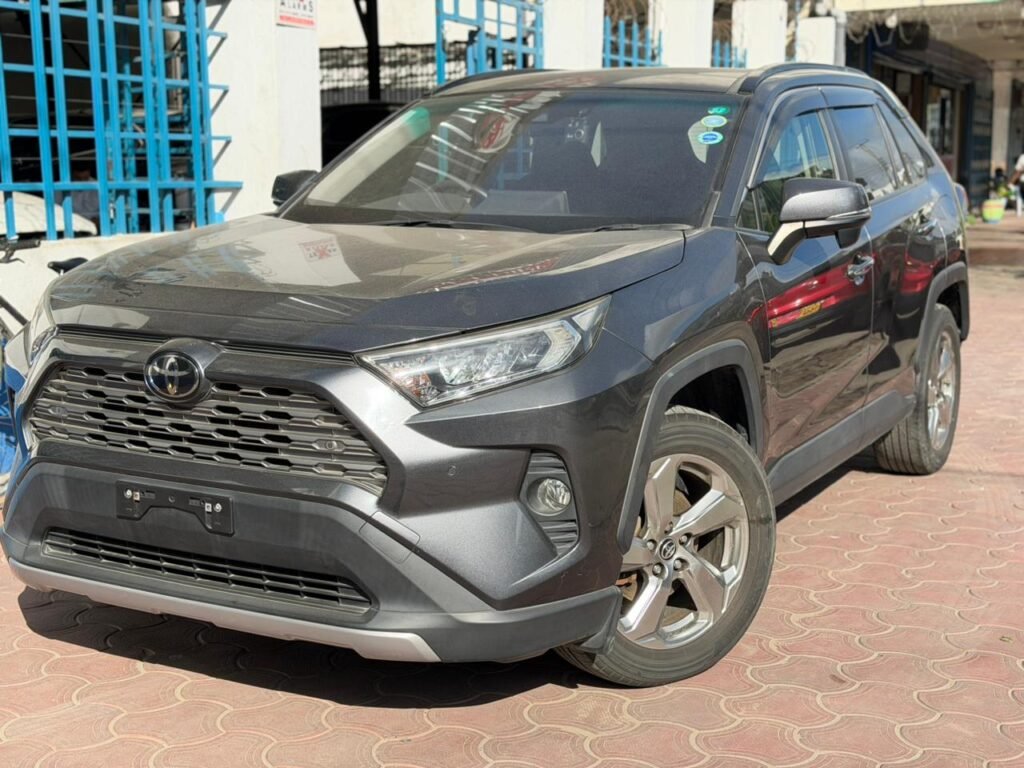
The RAV4 remains Kenya’s default mid-size SUV, and deservedly so. It is composed on the highway, comfortable in town, and capable enough on light rough terrain to satisfy most families without ever feeling like a compromise. The petrol variant, typically a 2000cc unit, is joined by a 2500cc hybrid that delivers a marked improvement in fuel economy. Parts and expertise are available in virtually every town, which keeps long-term ownership costs predictable.
Toyota Harrier — Refined Comfort Without the Premium Burden
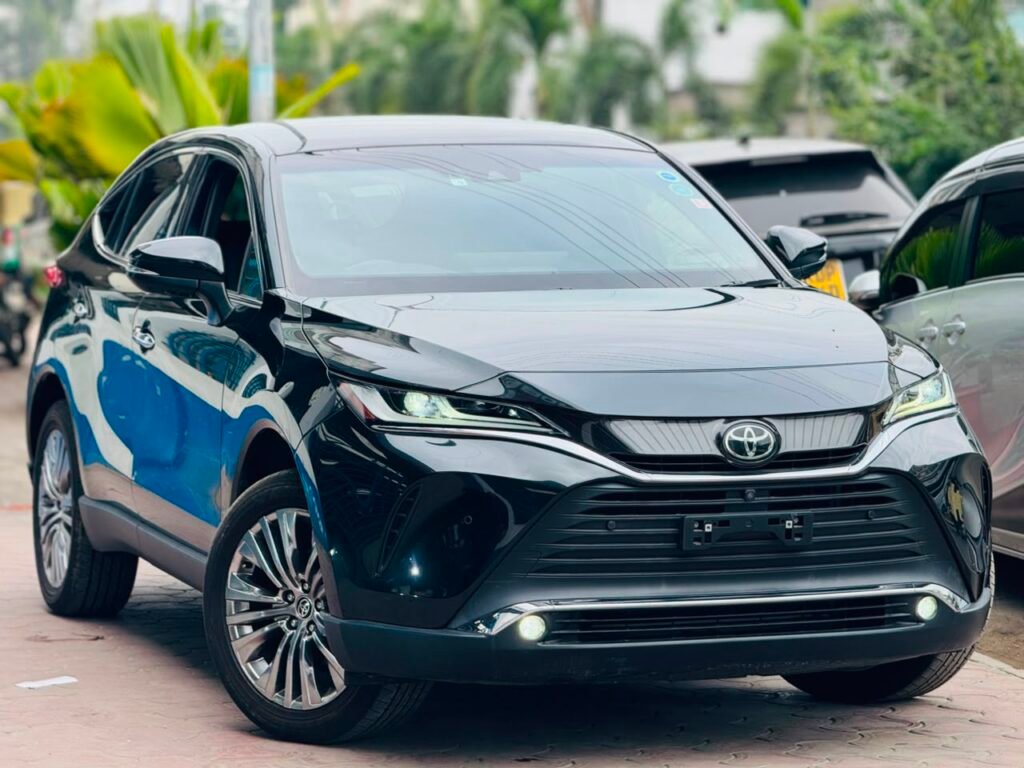
The Harrier delivers an experience that feels distinctly upmarket — a hushed cabin, supple ride, and an interior finish that punches above its price bracket — without the maintenance costs typically associated with European luxury marques. Because it shares much of its underlying architecture with the RAV4, replacement parts are readily sourced across the country.
The one caveat concerns its hybrid battery, which is costlier and less widely stocked than mechanical components. A pre-purchase battery health check is strongly advised.
Nissan X-Trail — The Practical Seven-Seater
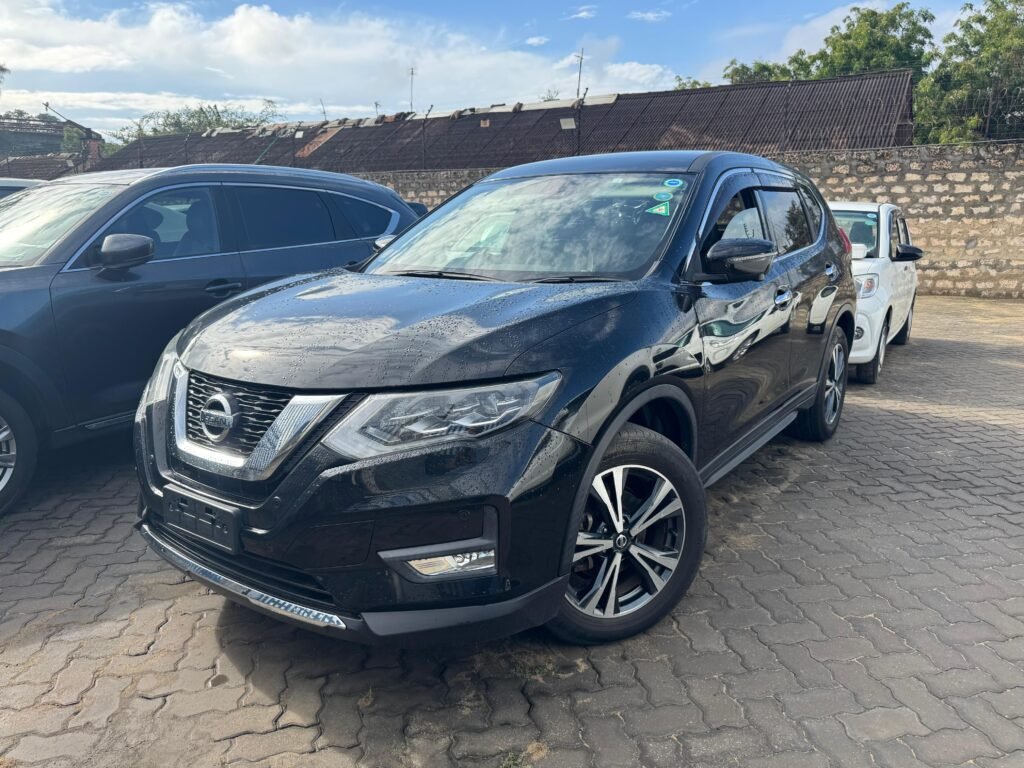
For families requiring a third row without stretching to premium money, the X-Trail deserves serious consideration. It combines genuine seven-seat practicality with respectable fuel economy, particularly in diesel form, and holds its value reasonably well. Higher trims come equipped with useful conveniences such as reversing cameras and larger infotainment displays.
The rearmost seats are better suited to children than adults on longer journeys — a limitation common to vehicles of this size.
Honda Vezel — The Astute City Companion
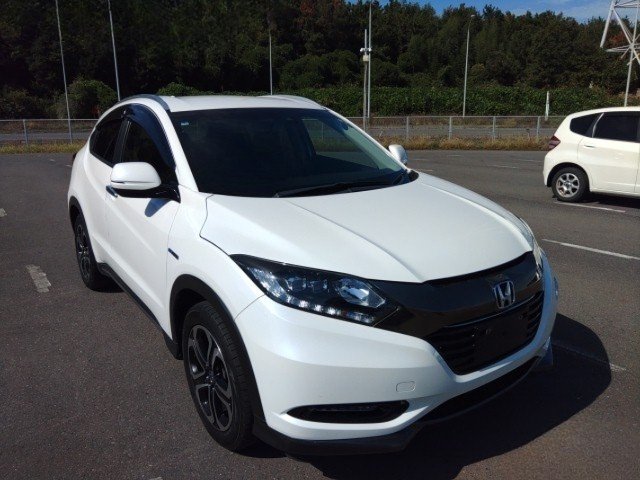
The Vezel occupies a distinct niche: compact enough for effortless urban parking, yet tall enough to deliver genuine SUV presence. Its hybrid variant is exceptionally fuel-efficient, which explains its popularity among ride-hailing drivers who log substantial daily mileage.
It is not designed for demanding off-road conditions — the engine and suspension are tuned for tarmac rather than mud — but as a first SUV or dedicated city vehicle, it is difficult to fault.
The Toyota Raize 1000cc: Kenya’s Smartest Small SUV
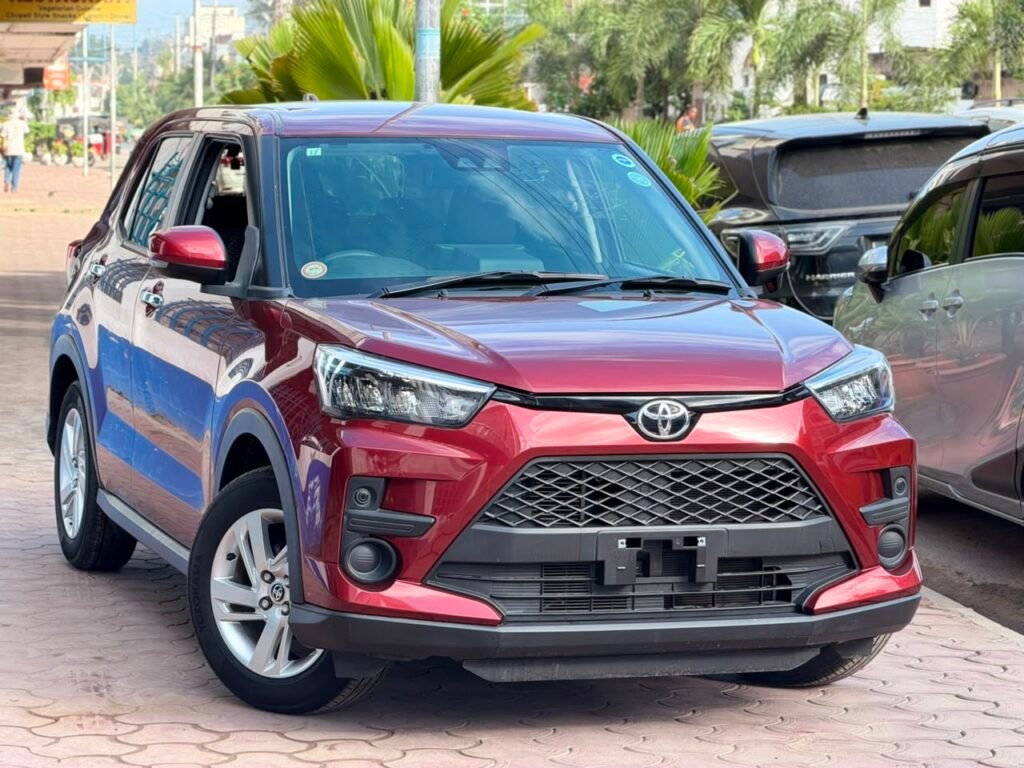
Not every buyer needs a full-size SUV. The Toyota Raize was built for the driver who wants the elevated stance and confident visibility of an SUV, without the fuel bill that usually accompanies it. Powered by a 1.0-litre turbocharged three-cylinder engine producing around 97 to 100 horsepower, it is a small unit on paper but a genuinely responsive one in Nairobi traffic, thanks to its turbo boost.
Running costs are where the Raize truly earns its keep, with fuel economy that few five-seat vehicles can rival and Toyota’s usual mechanical dependability behind it.
Mazda CX-5 Diesel — The Refined Alternative
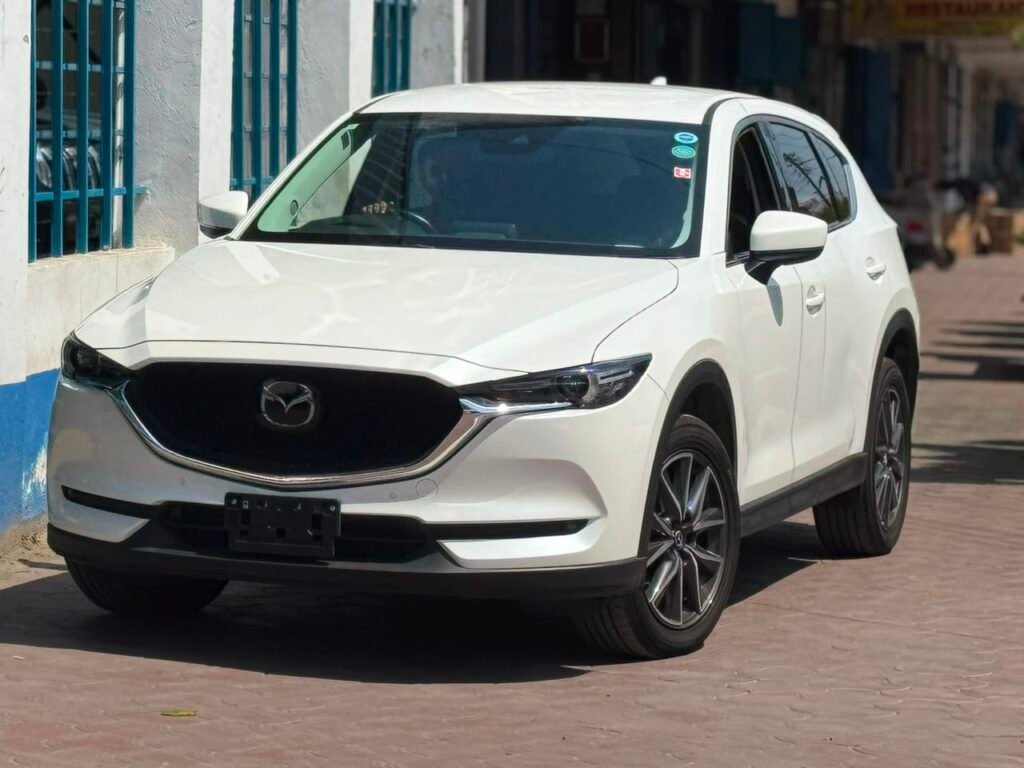
The CX-5 has quietly built a reputation among Kenyan buyers who want a more engaging drive and a noticeably richer interior than the mainstream Japanese options, without stepping up to European price tags. The 2.2-litre Skyactiv-D diesel variant, in particular, rewards highway and upcountry drivers with strong torque and commendable fuel economy, making it a compelling choice for anyone who covers long distances regularly.
Diesel units are less common on the local market than their petrol counterparts, so sourcing a well-documented example takes a little more patience. Buyers should also confirm that the AWD system and turbo-diesel components have been properly serviced, since these are more specialised — and costlier — than a standard petrol engine.
BMW X1 — The Accessible Premium Badge
BMW X1 — The Accessible Premium Badge
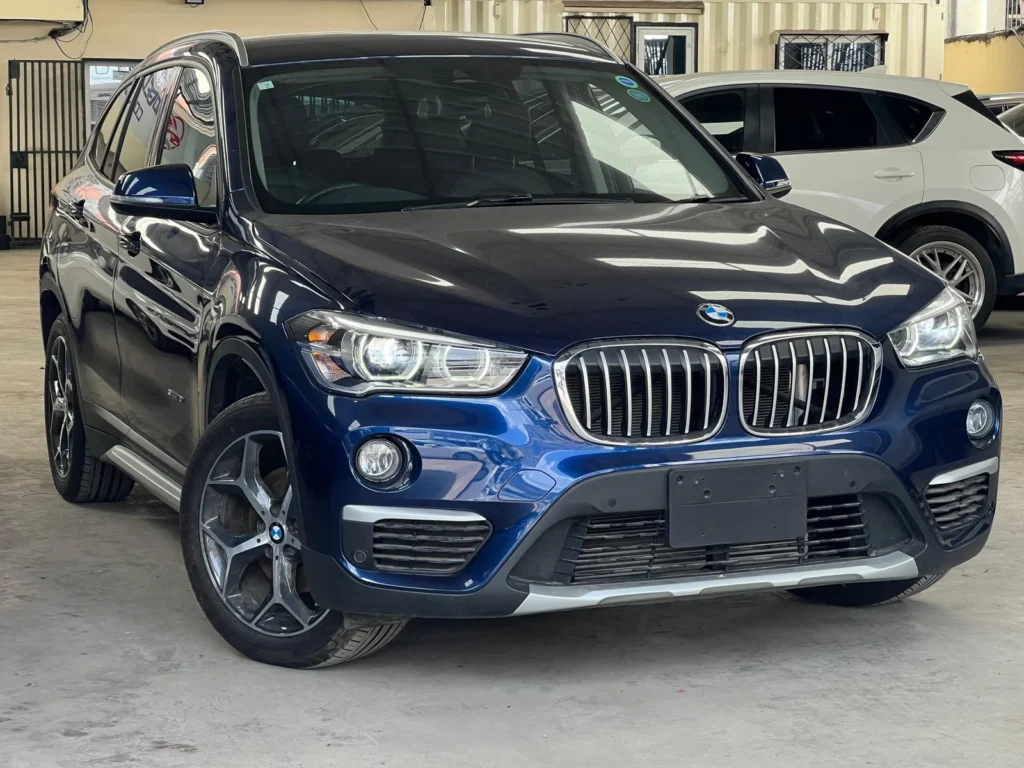
For buyers who want the prestige and driving refinement of a European badge without committing to a larger, thirstier SUV, the X1 is the most attainable entry point into premium motoring in Kenya. The xDrive all-wheel-drive variants, in particular, cope respectably with our rougher roads, while the cabin offers a level of technology and finish that few Japanese rivals can match at a similar price.
The honest caveat is ownership cost: while mechanical service parts are shared with other BMW models and are reasonably available, body panels, sensors, and specialist electronics are considerably scarcer and pricier than for any Toyota or Honda on this list.
Subaru Forester — The All-Weather Workhorse
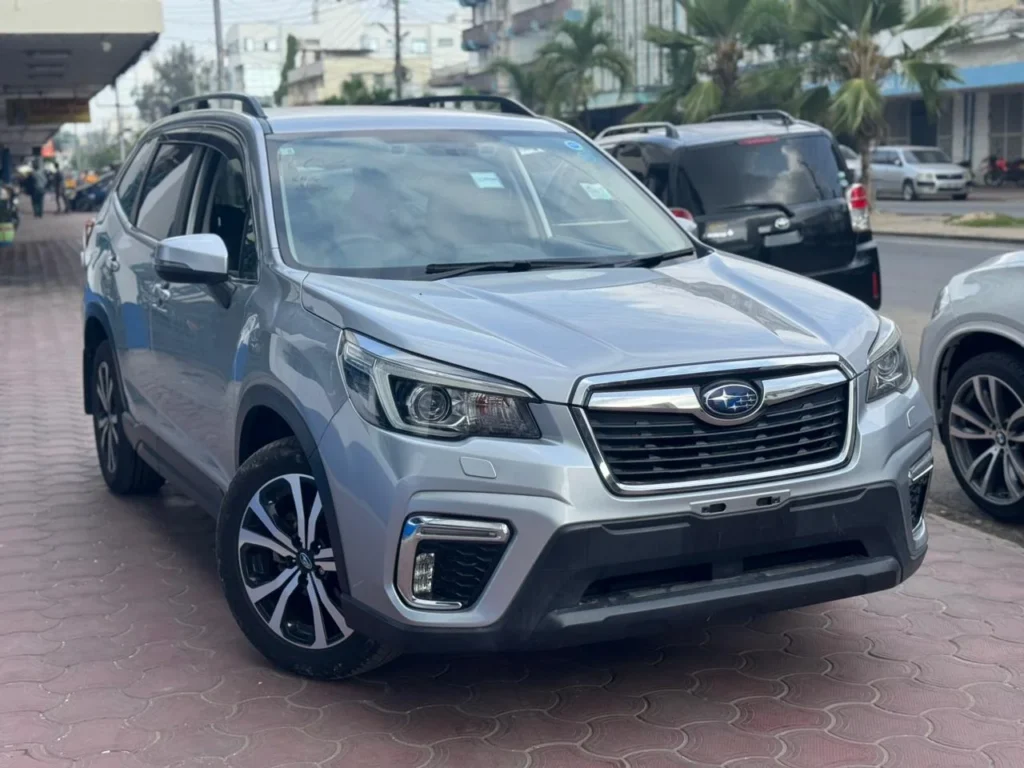
The Forester’s standout feature is its standard symmetrical all-wheel drive, fitted across the entire range rather than reserved for a top trim. This gives it genuinely superior traction and stability on Kenya’s muddy rural roads and flooded urban streets alike, without sacrificing the comfort and visibility expected of a family SUV.
Reliability is another strong suit — the boxer engine layout has a long track record in Kenya, and parts are comparatively easy to source. Turbocharged XT variants offer noticeably more power for buyers who want it, though most owners are perfectly served by the standard naturally aspirated engines
SUV Comparison at a Glance
| Model | Common Engine | Fuel Economy | Seats | Ground Clearance | Ideal For | |
|---|---|---|---|---|---|---|
| Toyota RAV4 | 2000cc petrol / 2500cc hybrid | Good, excellent as hybrid | 5 | Good | All-round daily use | |
| Toyota Harrier | 2000cc petrol / 2500cc hybrid | Good | 5 | Good | Premium comfort, low running cost | |
| Nissan X-Trail | 2000cc petrol / diesel | Strong for its class | 7 | Good | Larger families | |
| Honda Vezel | 1500cc petrol / hybrid | Excellent as hybrid | 5 | Medium | City driving, first-time SUV owners | |
| Mazda CX-5 Diesel | 2200cc turbo-diesel | Strong on the highway | 5 | Good | Long-distance comfort with a premium feel | |
| BMW X1 | 1500cc petrol (xDrive/sDrive) | Good | 5 | Moderate | Affordable premium ownership | |
| Subaru Forester | 2000cc / 2500cc petrol, turbo XT | Good | 5 | Very good | All-weather grip, rural and family use | |
| Toyota Raize | 1000cc turbo petrol | Excellent | 5 | Moderate | Budget-conscious first-time SUV buyers |
Petrol, Diesel, or Hybrid? A Clear-Eyed Answer
This has become a defining question for Kenyan SUV buyers, so let us address it with concrete figures.
A petrol SUV averaging roughly 10 kilometres per litre will consume noticeably more fuel than a hybrid achieving closer to 20, or a diesel covering long highway stretches efficiently on a single tank. At approximately KSh 200 per litre, that gap compounds quickly, and over several years a hybrid or diesel can save its owner hundreds of thousands of shillings in fuel alone.
Yet the more efficient option is not universally the wiser choice:
- A hybrid is the stronger choice for high-mileage, predominantly urban driving — the very conditions in which ride-hailing operators and daily commuters thrive.
- A diesel, such as the Mazda CX-5’s Skyactiv-D, rewards drivers who cover long highway distances regularly, offering strong torque and efficient cruising that a petrol engine of similar size cannot match.
- A petrol model remains sensible for lower-mileage owners, or buyers who prefer a lower purchase price and simpler long-term maintenance, without the added complexity of a hybrid battery or diesel injection system. The Toyota Raize, with its small turbocharged engine, offers a further variation on this theme — near-hybrid fuel economy from a straightforward, easily maintained petrol powertrain.
On the subject of battery longevity in hybrids, the anxiety is often disproportionate to the actual risk. A hybrid battery typically lasts ten to twelve years, and Kenya now has specialist workshops capable of replacing individual cells rather than the entire pack. A pre-purchase battery inspection remains, nonetheless, a sensible precaution — just as a diesel-specific inspection is sensible for the CX-5, and a wider mechanical check is warranted for the BMW X1.
Why Buy Your SUV Through Nobel Trading Co Ltd
The right SUV is ultimately the one suited to your particular roads, budget, and household — a city-based professional and an upcountry farmer will rarely arrive at the same answer, and that is entirely as it should be. What matters, regardless of which model you choose, is buying from a dealer who stands behind the vehicle’s history and remains reachable long after the sale is concluded.
At Nobel Trading Co Ltd, every SUV in our inventory — including each of the eight models discussed above — has been inspected and verified before it reaches our yard. We welcome you to review our current stock, examine the service history of any vehicle that interests you, and speak candidly with our team about which SUV genuinely fits the way you drive.
Nice guide! The Toyota RAV4 and Mazda CX-5 are definitely among my favorites.