 sales@nobeltradingltd.com
Prospective car owners in Kenya are increasingly preoccupied with a singular, pragmatic question: precisely how much will it cost to keep this vehicle in motion each month? It is an eminently sensible consideration, particularly given that petrol prices now routinely exceed KSh 214 per litre. At Nobel Trading Co Ltd, we have observed this concern voiced repeatedly by our clientele, articulated in various ways but converging on the same sentiment: an aversion to vehicles with an insatiable appetite for petrol. Fortunately, the current market offers several commendable alternatives. Models such as the Toyota Aqua, Honda Fit Hybrid, Nissan Note e-Power, Mazda Demio, and Toyota Vitz exhibit genuinely impressive fuel economy, capable of yielding substantial monthly savings. This comprehensive guide examines each candidate with candour, incorporating current figures, prevailing Kenyan prices, and realistic expectations for local roads.
Why Fuel Economy Carries Even Greater Significance in 2026
The underlying logic is straightforward. Petrol prices in Kenya have risen steadily, and a vehicle’s fuel efficiency has a direct bearing on one’s disposable income at month’s end. For a motorist covering 30 kilometres daily within Nairobi, the disparity between a vehicle achieving 10 km/L and one achieving 22 km/L could translate into savings exceeding KSh 150,000 annually — a considerable sum by any measure.
This explains why so many buyers are actively pursuing vehicles with minimal petrol consumption in Kenya. The objective is simple: maximum distance from minimal fuel. Compounding this incentive, the Kenyan government has continued to encourage the adoption of hybrid and electric vehicles through reduced import duties
1.Toyota Aqua: The Preeminent Champion of Fuel Efficiency
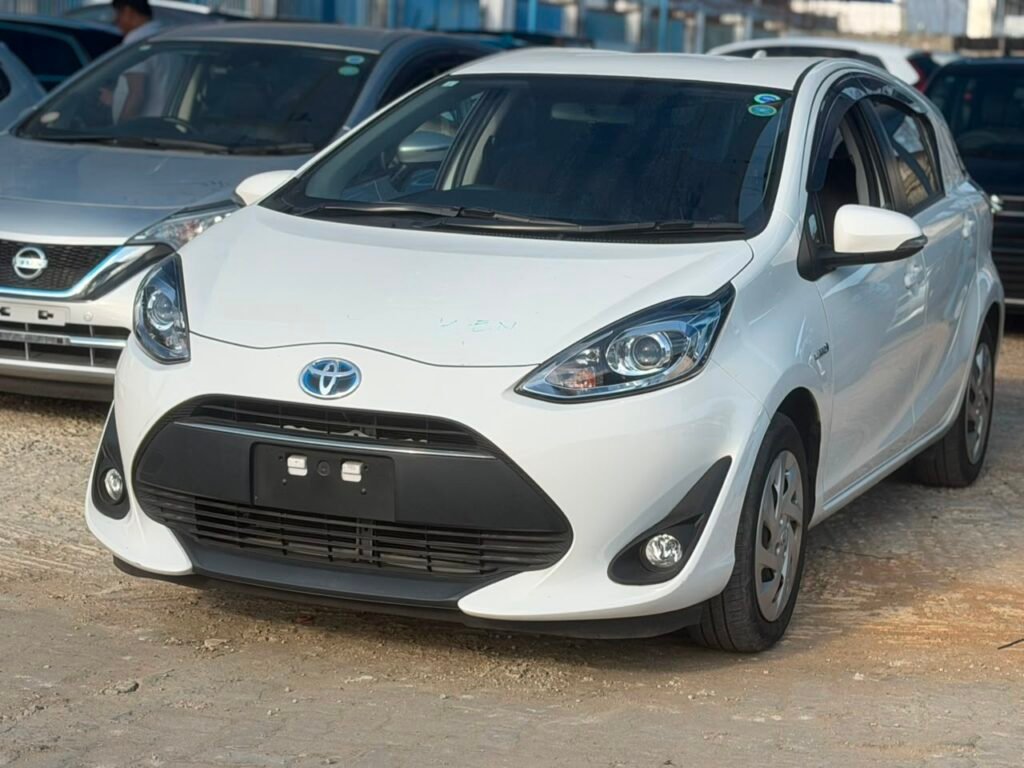
Should anyone inquire which vehicle consumes the least fuel in Kenya today, the Toyota Aqua remains the foremost answer, and deservedly so. Also recognised in certain markets as the Toyota Prius C, the Aqua is a full hybrid, harnessing both a petrol engine and an electric motor in concert. Its official rating stands at 35.4 km per litre, while owners navigating Nairobi’s congested thoroughfares report averages of 28 to 33 km/L, a testament to the electric motor’s dominance during stop-and-start conditions.
The Aqua is equipped with a 1.5-litre petrol engine paired with Toyota’s Hybrid Synergy Drive system, delivering a combined output of 98 horsepower. Amid the customary gridlock along Thika Road or Mombasa Road, the electric motor assumes near-total responsibility for propulsion, leaving the petrol engine largely dormant — precisely where the most substantial savings accrue.
For those in earnest pursuit of reduced fuel expenditure, the Aqua remains an exceptionally difficult proposition to surpass in 2026.
2. Honda Fit Hybrid: Consummate Practicality Allied with Superior Economy

The Honda Fit has long enjoyed a reputation for reliability and affordability, but the Honda Fit Hybrid operates on an entirely different plane where fuel conservation is concerned, while additionally furnishing interior space the Aqua cannot rival. Rated at 34.8 km/L under Japanese testing protocols, it stood as the most economical non-plug-in hybrid in Japan at launch. Under genuine Kenyan driving conditions, owners report figures of 20 to 28 km/L across combined city and highway use.
The Fit Hybrid employs Honda’s i-DCD architecture, uniting a petrol engine with an electric motor and a 7-speed dual-clutch transmission. It further benefits from Honda’s celebrated Magic Seat configuration, permitting versatile folding arrangements to accommodate remarkably bulky cargo.
Even the conventional, non-hybrid Fit delivers a respectable 18 to 20 km/L under ordinary circumstances.
3. Nissan Note e-Power: Approximating Electric Motoring Without the Plug
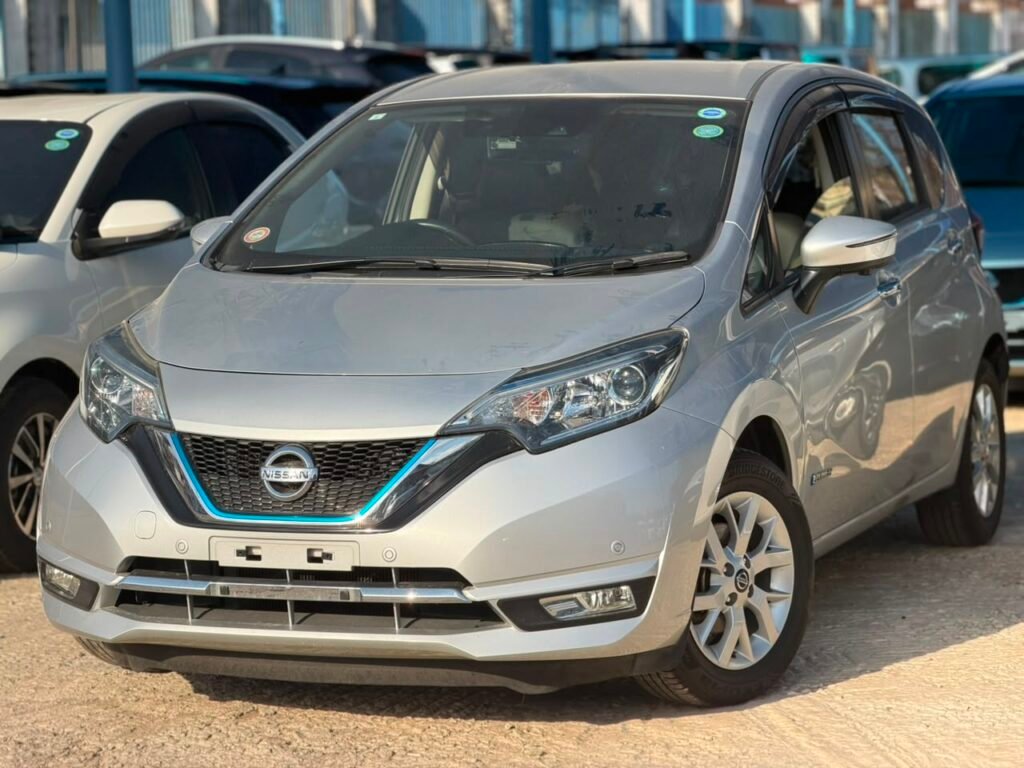
The Nissan Note enjoys considerable favour among Kenyan motorists, and its e-Power iteration is a particularly ingenious proposition. In this configuration, the petrol engine never drives the wheels directly; it functions solely as a generator replenishing the battery, while the electric motor undertakes all propulsion
Nissan Note fuel consumption in e-Power guise carries an official rating of 35.7 km/L, with real-world figures on Kenyan roads ranging between 24 and 30 km/L, contingent upon driving style. The latest generation (the E13, introduced from 2020 onward) further incorporates ProPilot driver-assistance technology alongside an enhanced battery system.
“Nissan Note e-Power — Up to 28.4 km/L. Full electric drive, exceptional fuel economy, zero plug-in hassle.”
4. Mazda Demio: Elegance Without Compromise to Economy
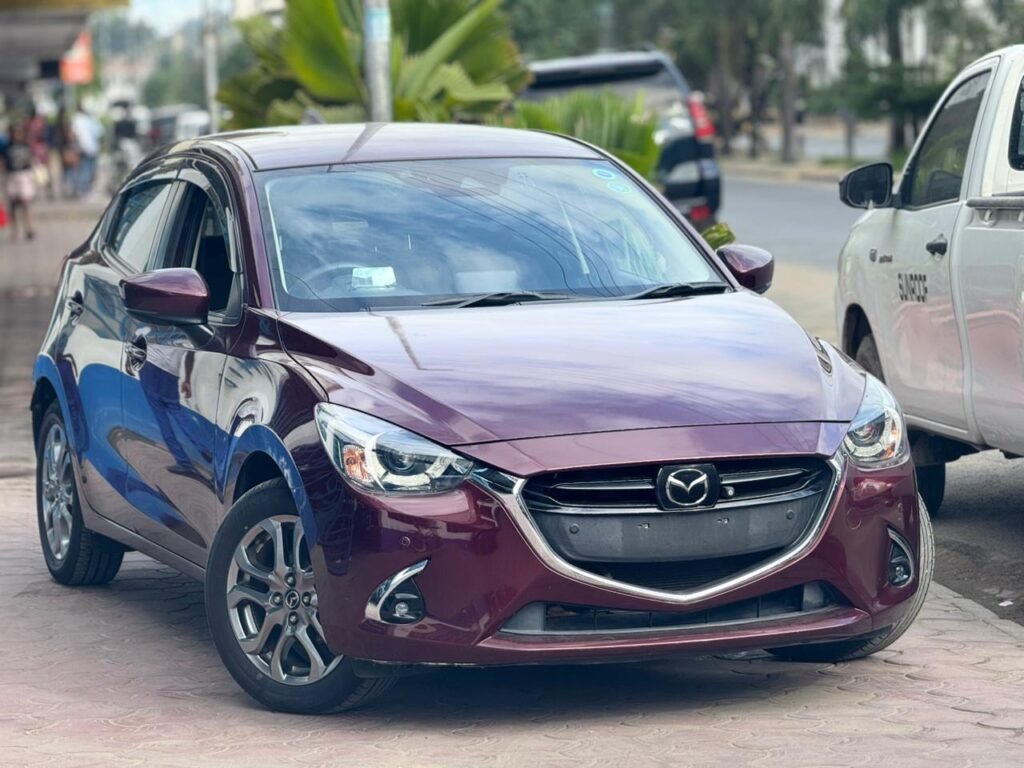
The Mazda Demio, marketed as the Mazda2 in certain territories, attains its fuel savings through engineering ingenuity rather than battery reliance, courtesy of Mazda’s SkyActiv philosophy. This system unites a high-compression engine, a lightweight body, refined aerodynamics, and Mazda’s i-Stop automatic engine cessation feature. The result is a real-world figure of approximately 22 to 25 km/L, with an official rating of 22 km/L — a genuinely commendable outcome for a vehicle devoid of any hybrid apparatus.
“Less fuel, more drive. Mazda 2 SkyActiv — Up to 22 km/L of pure driving pleasure.”
5. Toyota Vitz: Kenya’s Most Dependable Everyday Companion
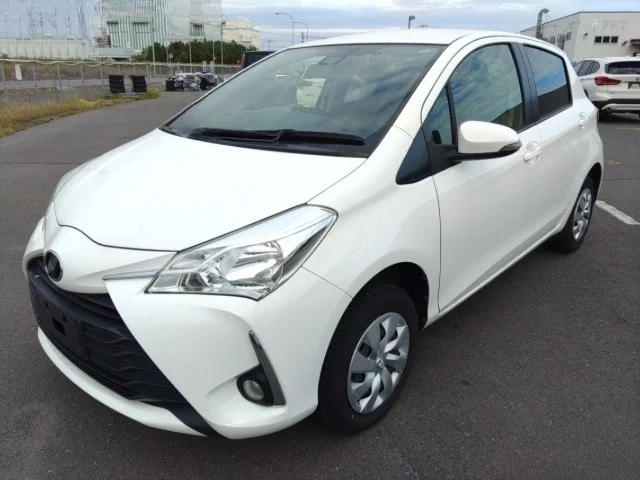
Consult any mechanic across Nairobi, Mombasa, or Nakuru regarding a suitable first vehicle, and the response is invariably the Toyota Vitz. The 1000cc variant achieves 18 to 24 km/L in typical urban driving, while the 1300cc version manages 18 to 22 km/L, and the hybrid derivative extends this further to 20 to 30 km/L. The 1300cc model, fitted with Toyota’s Stop-Start idling technology, is officially rated at 24.0 km/L, produces 94 horsepower, and pairs with a 7-speed Shiftmatic CVT.
For a first-time purchaser, or indeed anyone seeking a dependable daily vehicle without the burden of locating a specialist mechanic, the Vitz remains among the most judicious choices available in 2026.
“Toyota Vitz 1.0/1.3 — Up to 24 km/L or 20 km/L. Choose your power, keep the efficiency.”
6. Toyota Passo: Diminutive, Lightweight, and Remarkably Frugal
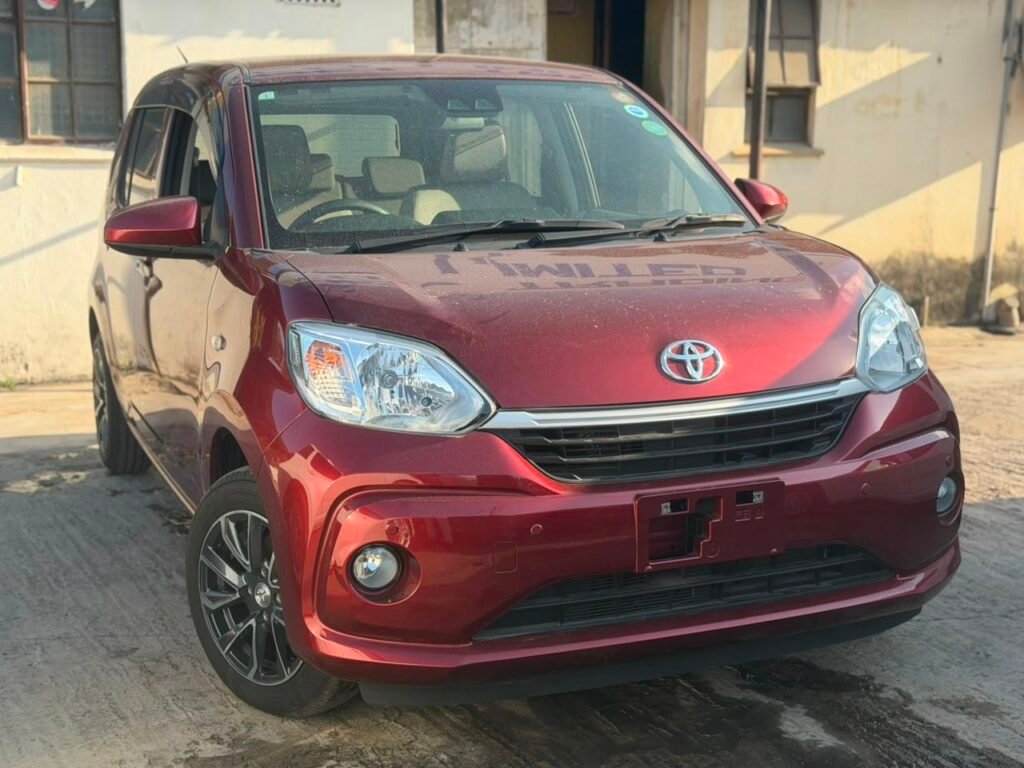
The Toyota Passo seldom commands attention yet consistently delivers admirable value. Among the lightest vehicles within Toyota’s lineup, this modest weight confers a direct advantage in fuel economy. Current Kenyan market data places its real-world consumption at approximately 18 to 21 km/L.
“More miles, less fuel. Toyota Passo 1.0 — Up to 21 km/L of dependable performance.”
7. Suzuki Alto: The Most Economical Vehicle to Operate in Kenya
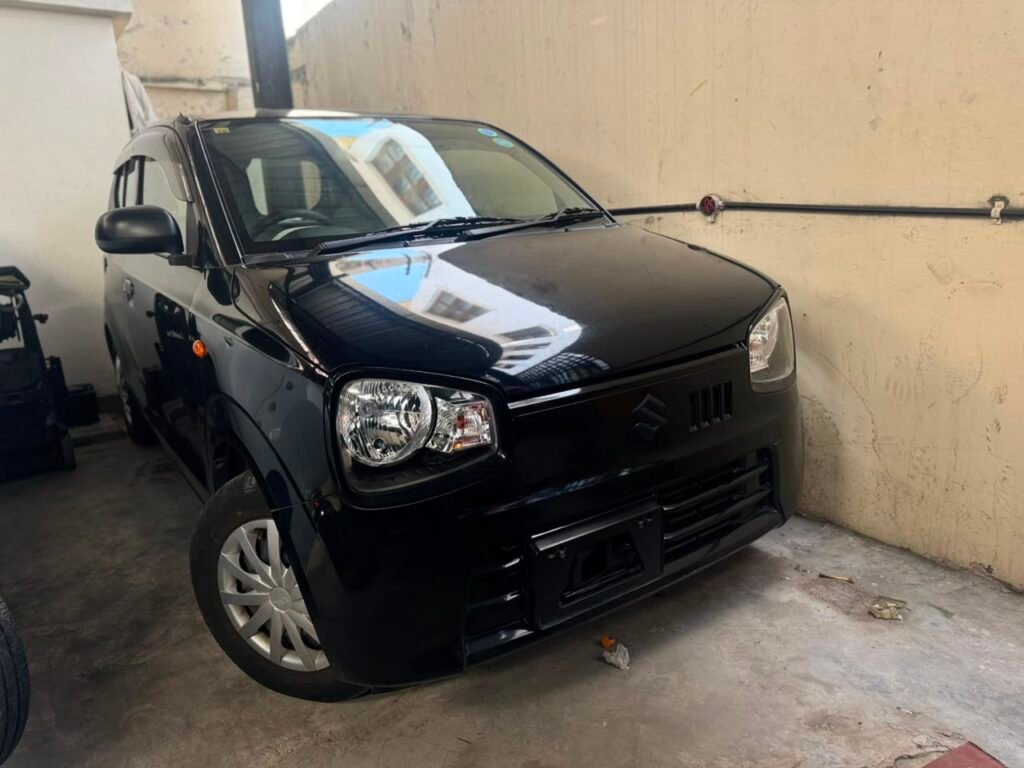
For those seeking the absolute lowest running costs in Kenya, the Suzuki Alto is scarcely rivalled. Its diminutive 660cc or 800cc engine ensures exceptionally modest fuel consumption, rated at approximately 22 to 25 km/L under real-world conditions, with newer hybrid variants reaching as high as 27 km/L.
“Suzuki Alto 660cc — Up to 25 km/L, where small size means big savings.”
8. Suzuki Wagon R: The Consummate Kei-Class Family Vehicle
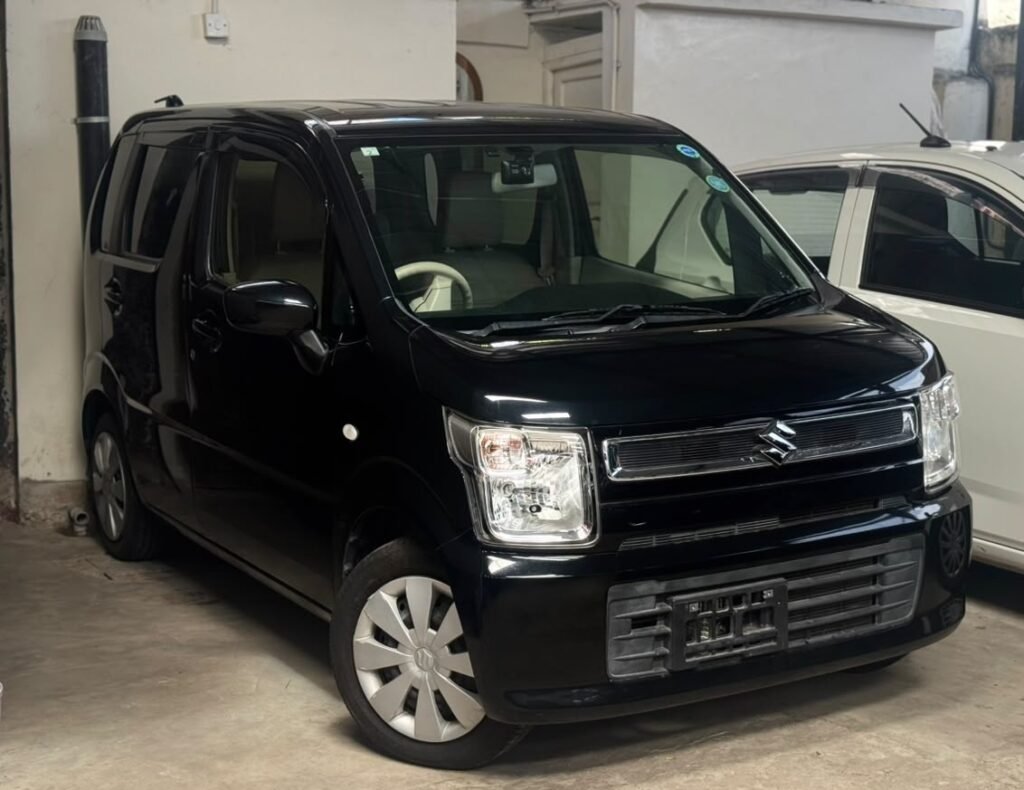
Few kei-class vehicles have earned a reputation for practicality quite like the Suzuki Wagon R. In production since 1993, it has evolved into one of the most sought-after microvans on Kenyan roads, prized for its commodious cabin, tall stance, and unfussy running costs. Its 660cc powerplant, whether naturally aspirated or turbocharged, delivers real-world figures of approximately 20 to 24 km/L on typical Kenyan roads, with the newer Wagon R Smile hybrid variant improving upon this further courtesy of its mild-hybrid assistance.
The Wagon R’s principal rivals — the Daihatsu Tanto, Honda N-WGN, and Nissan Dayz — each vie for the same discerning buyer, yet the Wagon R’s blend of interior volume and dependability has kept it firmly among Kenya’s favoured imports.
“Suzuki Wagon R 660cc — Up to 24 km/L. Spacious inside, economical on every trip.”
9. Nissan Dayz: A Refined Kei Companion for Everyday Commuting
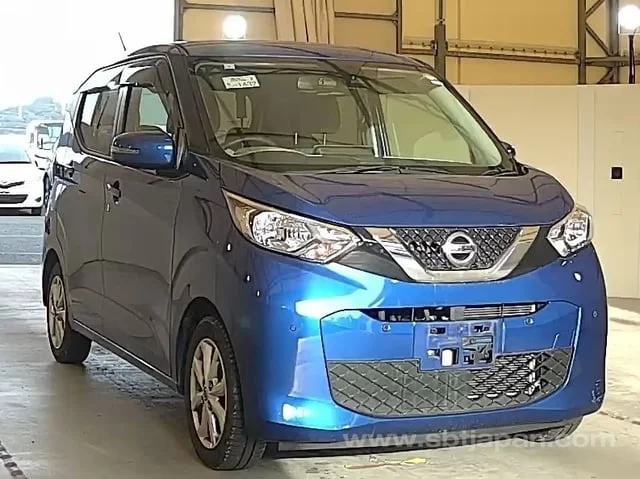
Jointly engineered by Nissan and Mitsubishi, the Nissan Dayz occupies a similar niche to the Wagon R, though it distinguishes itself through refinement and, in later trims, driver-assistance technology such as ProPilot. Its 660cc engine yields real-world consumption of approximately 19 to 23 km/L on Kenyan roads, a figure that, while marginally behind its closest rival, remains thoroughly commendable for a vehicle of its class.
The Dayz’s compact footprint and light weight make it an unassuming yet capable choice for buyers navigating congested urban centres such as Nairobi or Kisumu.
“Nissan Dayz 660cc — Up to 25 km/L. Compact comfort with everyday savings.
10. Daihatsu Mira: Understated Efficiency at a Modest Price
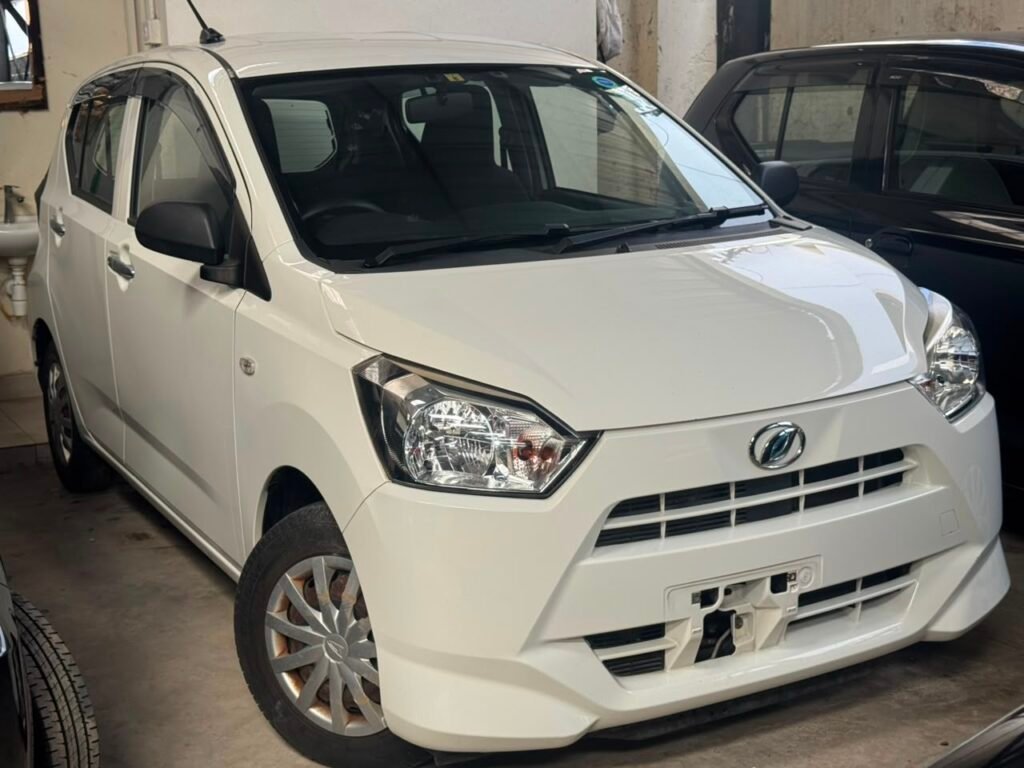
The Daihatsu Mira has cultivated a devoted following in Kenya, owed in large part to its fuel efficiency, modest acquisition cost, and demonstrated reliability. Its compact dimensions render it especially well-suited to manoeuvring through crowded metropolitan traffic, while its 660cc three-cylinder engine, paired with either a CVT or manual transmission, returns real-world figures of approximately 20 to 24 km/L.
Buyers seeking an economical, low-maintenance runabout will find the Mira a thoroughly sensible proposition, particularly for shorter urban commutes.
“Daihatsu Mira 660cc — Up to 27 km/L, a lightweight champion of fuel efficiency.”
11. Suzuki Hustler: The Adventurous Kei Crossover

For buyers desiring a touch of rugged versatility without forfeiting economy, the Suzuki Hustler presents itself as an appealing compromise between a conventional kei hatchback and a compact crossover. Constructed upon a platform shared with the Wagon R, it offers comparable running costs — approximately 19 to 23 km/L in real-world Kenyan driving — while furnishing a marginally elevated stance and a more adventurous aesthetic. Certain variants additionally incorporate mild-hybrid assistance, lending a further modest improvement in economy.
“Suzuki Hustler 660cc — Up to 24 km/L. Rugged looks, efficient heart.”
12. Honda N-WGN: Honda’s Answer to the Kei-Class Wagon

For buyers desiring a touch of rugged versatility without forfeiting economy, the Suzuki Hustler presents itself as an appealing compromise between a conventional kei hatchback and a compact crossover. Constructed upon a platform shared with the Wagon R, it offers comparable running costs — approximately 20 to 25 km/L in real-world Kenyan driving — while furnishing a marginally elevated stance and a more adventurous aesthetic. Certain variants additionally incorporate mild-hybrid assistance, lending a further modest improvement in economy.
“Drive more, spend less. Honda N-WGN 660cc — Up to 25 km/L of Honda reliability.”
Comparative Overview: 2026 Fuel Consumption Figures
| Vehicle | Engine | Real-World km/L (Kenya) |
|---|---|---|
| Toyota Aqua Hybrid | 1.5L Hybrid | 28 to 33 |
| Honda Fit Hybrid | 1.5L Hybrid | 23 to 28 |
| Nissan Note e-Power | 1.2L e-Power | 24 to 30 |
| Mazda Demio SkyActiv | 1.3L SkyActiv | 22 to 25 |
| Toyota Vitz 1300cc | 1.3L Petrol | 20 to 24 |
| Toyota Passo | 1.0 to 1.3L | 18 to 21 |
| Suzuki Alto | 0.66 to 0.8L | 22 to 25 |
| Suzuki Wagon R | 660cc | 20 to 24 |
| Nissan Dayz | 660cc | 19 to 23 |
| Daihatsu Mira | 660cc | 20 to 24 |
| Suzuki Hustler | 660cc | 20 to 25 |
| Honda N-WGN | 660cc | 28 to 30 |
Factors Influencing Fuel Consumption on Kenyan Roads
Even the most economical vehicle may consume more fuel than anticipated if certain conditions are neglected. Consider the following:
Traffic conditions. Congestion in cities such as Nairobi elevates fuel consumption across all conventional vehicles. Hybrids cope considerably better, given the electric motor’s assumption of duty during deceleration.
Tyre pressure. Inadequate tyre pressure remains among the most significant, and frequently overlooked, contributors to elevated fuel use. Inspecting tyres fortnightly can improve economy by 1 to 2 km/L.
Driving conduct. Abrupt acceleration and heavy braking squander considerable fuel. Smooth, measured driving — maintaining engine revolutions below 3,000 RPM where feasible — yields tangible benefits.
Vehicle maintenance. A soiled air filter, worn spark plugs, or degraded engine oil each contribute to increased consumption. Regular servicing is indispensable for sustained fuel economy.
Air conditioning usage. Air conditioning increases consumption by approximately 1.5 km/L. Disabling it when unnecessary is a prudent measure.
Hybrid Versus Non-Hybrid: The Superior Choice for Kenya in 2026
Motorists whose journeys are predominantly urban should embrace hybrid technology without hesitation. Vehicles such as the Toyota Aqua and Honda Fit Hybrid are purpose-built to excel amid stop-and-go conditions, and the resultant monthly savings, relative to conventional vehicles, can amount to tens of thousands of shillings. Reduced government import duties on hybrids have further rendered the initial outlay considerably more manageable.
Motorists whose journeys occur predominantly on open highways may find a well-engineered non-hybrid, such as the Mazda Demio SkyActiv or Toyota Vitz 1300cc, entirely adequate. On open roads, the efficiency advantage of hybrids diminishes, while simpler non-hybrid vehicles remain more affordable to purchase and maintain.
For those operating under budgetary constraints, the Suzuki Alto and Toyota Passo furnish the lowest running costs alongside the lowest acquisition price — a reliable, economical, and easily maintained vehicle wherever one may reside in Kenya
Concluding Observations: Identifying the Vehicle Suited to Your Circumstances
No single vehicle serves every buyer equally well. What matters is identifying the model that aligns with your driving habits, budgetary constraints, and lifestyle.
If fuel economy is paramount: the Toyota Aqua remains the definitive answer, with Nairobi owners reporting 30 to 33 km/L in city driving — a figure that few comparably priced vehicles can approach.
If spaciousness combined with economy is desired: the Honda Fit Hybrid offers both in a manner few rivals can replicate at this price point.
If a compact, dependable everyday runabout is preferred: the Toyota Vitz or Daihatsu Mira rank among the most astute acquisitions currently available in Kenya.
If budgetary constraints are paramount: the Suzuki Alto and Toyota Passo will carry you further per litre than nearly any alternative at a comparable price
Lovely breakdown very,helpful for anyone looking to purchase a car as the fuel prices have sky rocketed.
Best showroom in town with a wide range of cars, Ali the best person to deal with